
SEO-Focused Web Content Writers
A Simple Equation:
Add High-Quality Content to Your Website Regularly = You’ll Make More Money.
Fresh, high quality content, added regularly, is what the search engines like Google want to see. This is the process of SEO (search engine optimization), which in it’s most basic terms can be thought of as “getting Google and others to like you”.
And the more they like you, the higher up you’ll show in search results - and get more online visitors in the end. This means more leads, and ultimately more online revenues for you.
How do you increase your SEO?
You build SEO primarily through adding new content on your website. This is usually in the form of new pages on your site, or a weekly (at least) blog.
Our web content writers do the research to know what your potential customers care about, and write posts they know will appeal to them. These types of posts show Google that you are a thought leader in your industry or field, and that they should share your site more often for those searching for businesses like yours.
The statistics show the facts:
.
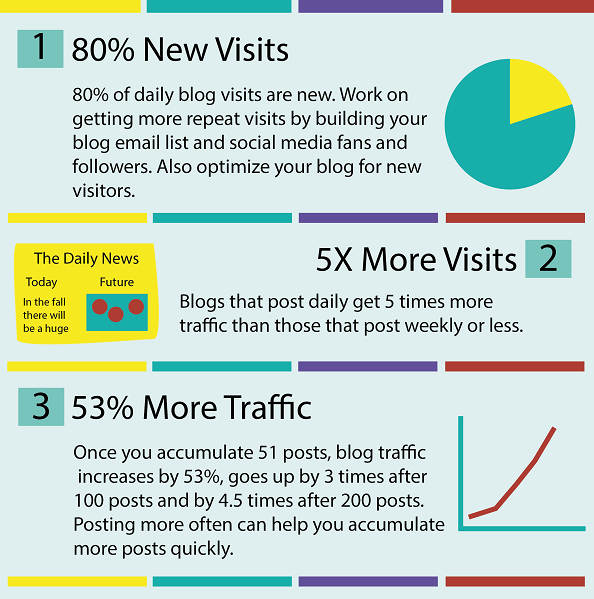
- A vast majority of consumers pick a link on the FIRST PAGE of results. If customers can’t find you there, they usually don’t find you at all
- About 70% of people now say they discover a new company from articles instead of ads
- Invest more in high-quality, evergreen posts instead of temporary advertising… which disappears the exact moment you stop writing checks!
Content on your website can still be helping you attract more attention many years after you’ve paid for it!

If this is so simple, why doesn’t everyone do it?
Good question.
First of all, most business owners don’t know the statistics and facts that you just read. They aren’t aware of the benefit.
For the rest the answer is time, desire and skill. As you see, the more frequently you add new material the more quickly you’ll see results.
But most business owners don’t have the time (or other staff) to stick with a publishing calendar, and/or they don’t enjoy writing in the first place.
They also lack the knowledge of SEO rules that make for a really effective post.
And that’s where I come in.
If you’d like to learn more, hit the button below and let’s get a conversation going!
Jim


Why Add Fresh, Quality Web Content to My Site?
Sep 9th
Tweet

Even if you are brand new to the world of Internet marketing, you’ve probably already heard, multiple times, that you should keep adding fresh web content to your blog and your website in general.
So, now you’ve got your blog set up and getting ready to start adding content on a routine basis, but before you get started you’d really like to know – why am I supposed to do this?
A primary reason is because the search engines like Google want you to keep adding new content. To them, it shows that you’re actively running your site, and you’re not throwing up random pages or “spammy” ones and letting them sit to collect some AdSense ad revenue. When a visitor conducts a search, Google wants to deliver them to sites that are made by real people to benefit real people, NOT those designed to skim ad revenues. Keep adding content on a regular basis and the search engines get happy; they will reward you by brining you up in the ranks into better search positions.
The next big benefit of adding fresh content is the opportunity to create a website that is “the” authority on whatever field or industry you are in, a “trusted More >

Maximize Your Web Content
Aug 29th
Tweet

We’ve made the case several times that a challenging economy is probably the worst time to slash your online marketing efforts.
And for those following this sound advice, it also makes sense to optimize every piece of web content that you produce and publish, both from a sales conversion and SEO standpoint.
Though it may seem like common sense, many authors forget to figure out what they’re trying to say before they start writing, and thus waste resources creating content that doesn’t achieve its potential or goals. Here are some tips to maximize your web writing:
Tip #1 - Create an Outline
Outlines are useful tools for giving your article or webpage structure, but if you’re not a big fan of outlining, at least answer the following questions before you start writing:
Who am I writing for? What’s my ideal audience?
What do I want my readers to learn from this article?
How will I explain/prove my point?
Tip #2 - Be Informative
Readers seek informative content, so provide the “give” in your article body and leave the “take” for your Resource Box or website. The quality of your information should make a good impression by providing value to the reader, not leaving them wanting more. Resist the temptation More >

Web Content 102
Aug 22nd
Tweet

As you have heard us say before, there are millions upon millions of online blogs and other informational websites, but what makes for great web content?
Clear and Concise
Being vague is one of the biggest mistakes a web content writer can commit, as it can compel your audience to instantly evaporate. No one wants to stay a second on something they find too complex or vague to understand. The mark of an expert lies in his ability to make complicated things clear and simple. Don’t use 200 words to say something that could easily be written with 50; people don’t have that kind of time these days.
Know Your Audience and Be Compelling
Know what your customers or general readers care about. If you think that your content can catch people’s attention because YOU are really passionate about the subject, you’re falling into the trap of assuming visitors will care because you care. Most people won’t spend a second on topics they don’t care about.
(…now it certainly does help to have a strong attachment to your topic, but you need more than just that!)
And “compelling” means that your web content not only grabs attention, but has purpose. Typically this is a sales conversion, but More >